
Fat/OIls in a mares diet

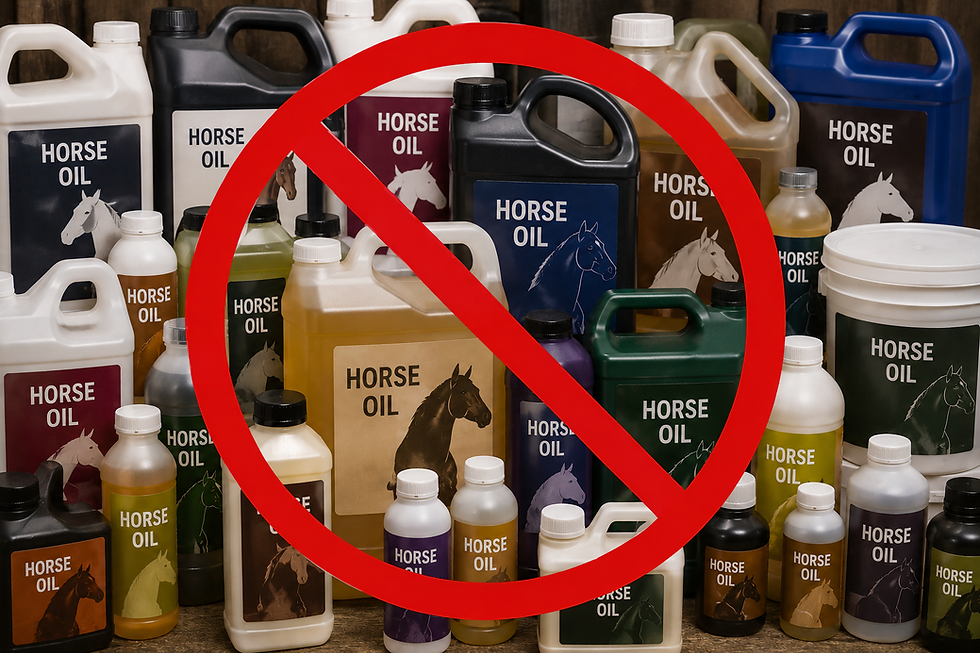
How does a high fat diet affect the hormonal balance of a mare?
Horses evolved to eat a low fat, high fibre diet based on continuous grazing of grasses and forage. In that natural setting, dietary fat intake is very low, and the mare’s hormonal system developed to function optimally under those conditions.
When fat levels in the diet are increased well beyond what a horse would naturally consume, it can influence normal metabolic signalling. Fat is not just a source of calories, it also affects how the body communicates information about energy availability and body condition. In mares, this signalling plays a role in maintaining normal reproductive rhythm and behavioural stability.
Higher fat intake is associated with changes in how the body manages energy and body fat stores. Adipose tissue is metabolically active and contributes to hormonal messaging within the body. When these signals become exaggerated or inconsistent, normal hormonal balance may be affected, which in some mares can present as irregular cycles, altered behaviour, or reduced consistency in performance and temperament.
From a practical feeding perspective, a mare does not require a high fat diet to maintain condition, energy, or muscle when the diet is built around appropriate fibre, quality protein, and balanced micronutrients. Feeding in a way that reflects the horse’s natural design supports more stable metabolic and hormonal function over time.
If you want to see what oils and fat do to your horse ask someone who has accidentally put diesel in their gasoline powered car.
This is why Thrive Feed is formulated around fermentable fibre rather than added fats, supporting steady energy release and nutritional balance without relying on dietary fat loading.


Comments